
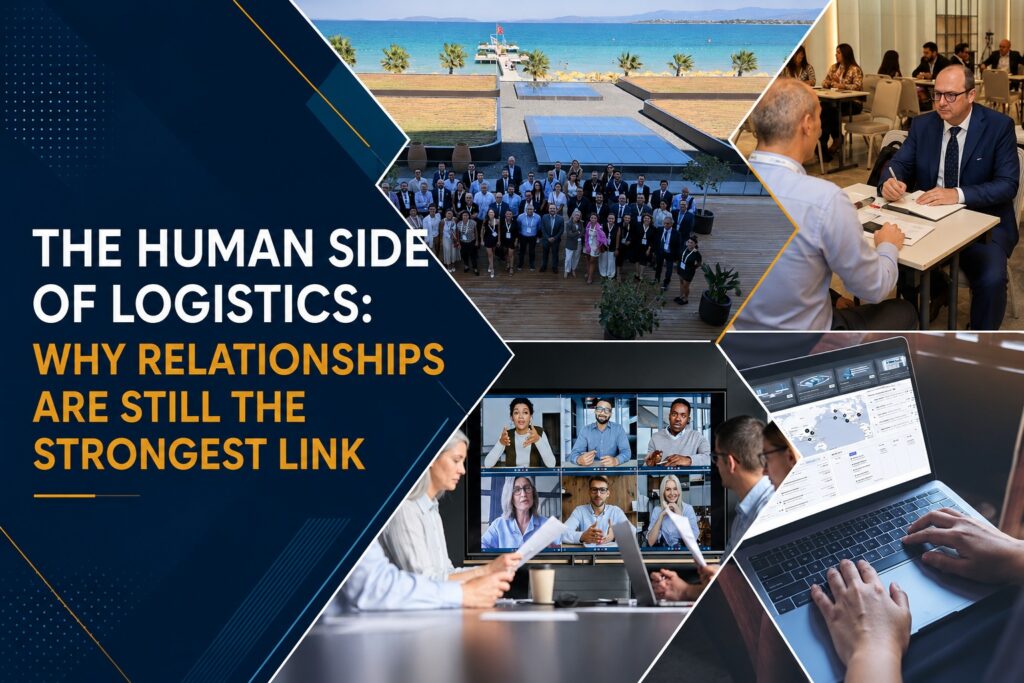
The logistics industry has undergone remarkable transformation over the past two decades. Digitalisation has reshaped almost every aspect of international freight forwarding, from online booking platforms and shipment visibility to cloud-based transport management systems, automated customs processes and artificial intelligence. Today, a shipment can be tracked in real time, documents can be exchanged instantly, and colleagues on opposite sides of the world can collaborate through video conferencing with just a few clicks.
There is no question that technology has made global logistics faster, more efficient and more transparent. Yet despite all these advances, one fundamental truth remains unchanged: logistics is still a people business.
Every shipment, regardless of how advanced the technology behind it may be, ultimately depends on people making decisions, solving problems and working together. While digital tools have transformed the way businesses communicate, they have not replaced the trust, understanding and collaboration that underpin successful international logistics partnerships.
As supply chains continue to evolve and customer expectations continue to rise, the companies that invest in relationships are often the ones best positioned to adapt, grow and deliver exceptional service.
Technology Enables Communication – It Doesn’t Create Trust
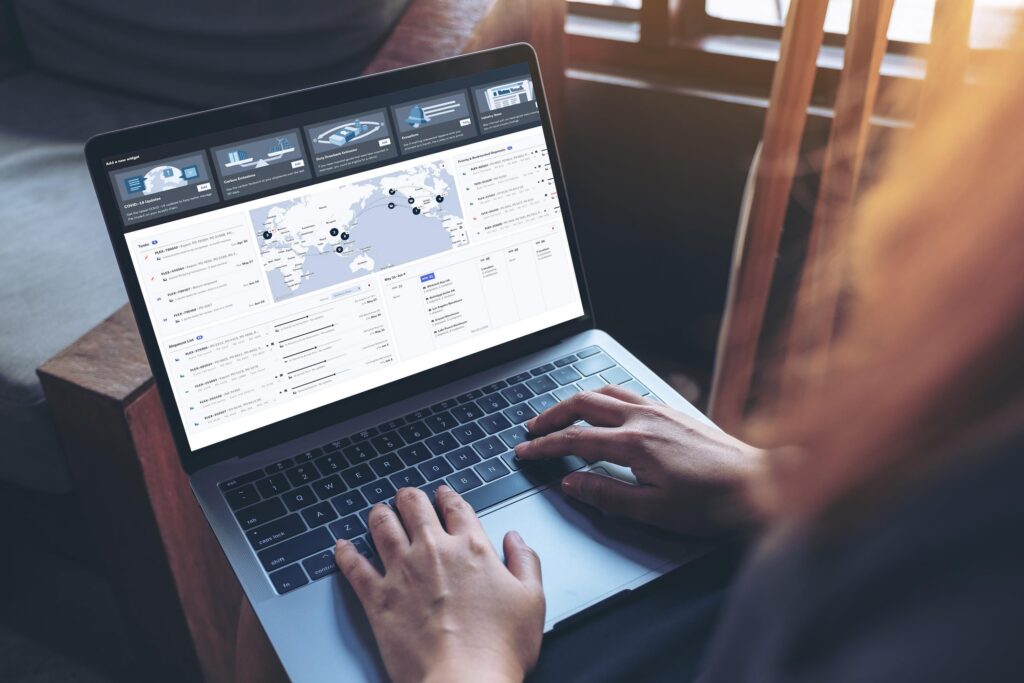
The logistics sector has embraced digital innovation more rapidly than ever before. Instant messaging, collaborative workspaces, video meetings and AI-powered systems have significantly improved communication between businesses operating across multiple continents and time zones.
A freight forwarder in Europe can now exchange shipping instructions with an overseas partner in Asia within seconds. Documents that once took days to courier can now be shared instantly through secure cloud platforms, while customers increasingly expect real-time shipment visibility and immediate updates throughout the transportation process.
These technologies have undoubtedly improved operational efficiency. They reduce delays, streamline administration and enable businesses to manage increasingly complex global supply chains with greater confidence.
However, technology is ultimately a tool. It facilitates communication, but it does not create confidence between two businesses. Trust cannot be downloaded, automated or generated by artificial intelligence. It is developed through consistent performance, transparency and positive experiences over time.
This distinction becomes particularly important when operations do not go according to plan.

Relationships Matter Most When Challenges Arise
Global logistics is an industry where unexpected events are not the exception – they are an inevitable part of everyday operations.
Port congestion, customs inspections, adverse weather, geopolitical developments, documentation discrepancies and transport disruptions can all affect the movement of cargo. When these situations occur, the speed and effectiveness of the response often depends less on technology and more on the quality of the relationships between the people involved.
A trusted overseas partner is far more likely to prioritise urgent cargo, provide proactive updates, identify alternative solutions or work collaboratively to minimise disruption. Open communication and mutual respect enable businesses to resolve problems more quickly, protecting both customer satisfaction and commercial relationships.
Conversely, partnerships built solely on transactional interactions can become strained when difficulties arise. Without an established foundation of trust, communication may become slower, less transparent and more reactive, increasing both operational risk and customer dissatisfaction.
From Personal Connections to Trusted Partnerships
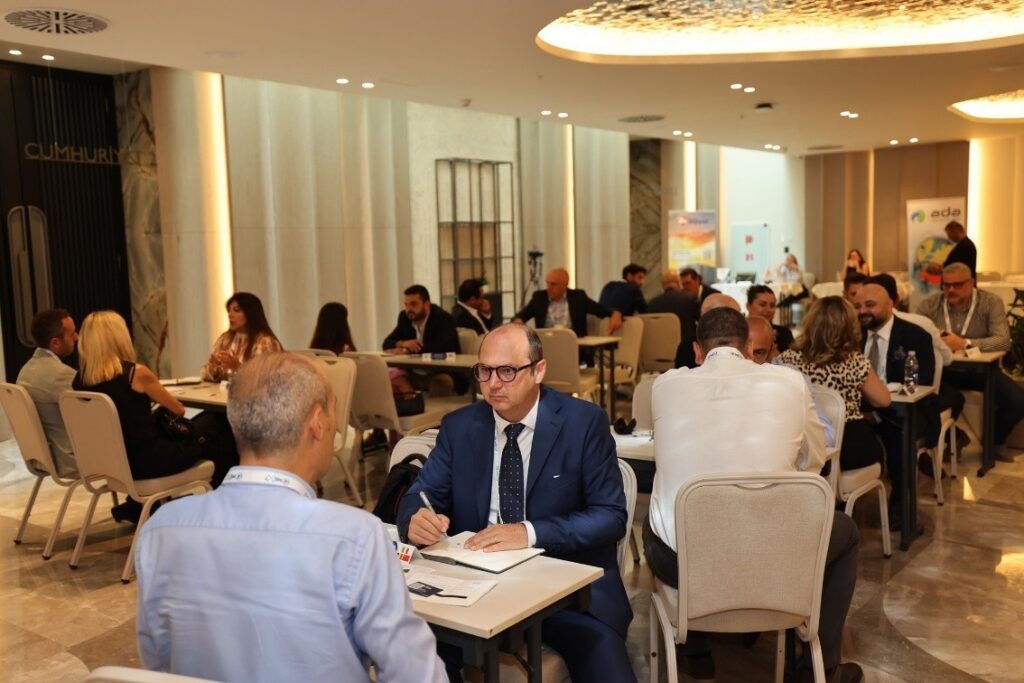
Although remote working and digital communication have become the norm, face-to-face interaction continues to play a vital role in building strong business relationships. Technology enables businesses to communicate instantly across continents, but meeting in person creates a level of trust and understanding that virtual conversations rarely achieve.
Many of the logistics industry’s strongest partnerships have developed not through emails or video calls alone, but through conversations at industry events, networking receptions and business meetings. These interactions help businesses understand not only what organisations do, but also the people, values and culture behind them.
This distinction is what separates a supplier from a strategic partner. In international logistics, trusted overseas partners become an extension of your own business, representing your company, supporting your customers and helping protect your reputation.
Successful freight forwarders recognise that sustainable growth comes not from having the largest contact database, but from building dependable relationships based on professionalism, transparency and shared goals. These partnerships encourage greater collaboration, create new business opportunities and provide the confidence needed to overcome challenges together.
In an increasingly digital industry, personal relationships remain one of the few competitive advantages that technology simply cannot replace.
Why Face-to-Face Events Continue to Deliver Value
Some may question whether international conferences and networking events remain necessary in an age of virtual meetings and digital collaboration.
The continued popularity of major logistics exhibitions and annual conferences provides a clear answer.
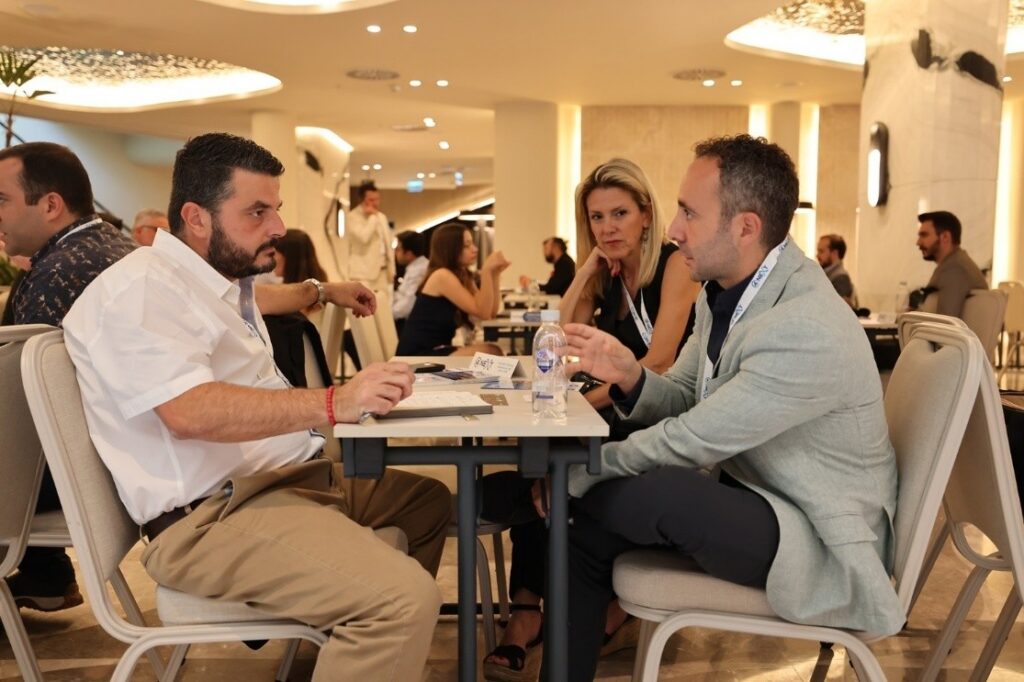
Businesses continue to invest significant time and resources in attending these events because they recognise that meaningful relationships develop more quickly when people meet in person. A conversation that begins over coffee or during a networking reception can often lead to long-term commercial partnerships that generate business for many years.
Equally important is the opportunity to strengthen existing relationships. While regular video meetings help maintain communication, meeting face-to-face reinforces trust, deepens understanding and often opens the door to new collaborative opportunities that may never have emerged during scheduled online calls.
Rather than replacing digital communication, face-to-face engagement complements it. Technology supports ongoing collaboration throughout the year, while in-person meetings provide the foundation upon which those relationships continue to grow.
The Future of Logistics Will Always Be Human
Artificial intelligence will continue to evolve. Automation will streamline more processes and digital platforms will become increasingly sophisticated and global supply chains will benefit from even greater visibility and efficiency.
These developments will undoubtedly shape the future of logistics. However, they will not replace the qualities that have always distinguished successful freight forwarding businesses: trust, integrity, communication and genuine partnership.
Technology enables international trade to move faster and people ensure it moves successfully.
As the logistics industry continues to embrace innovation, organisations that invest in building strong, dependable relationships will remain best placed to navigate uncertainty, create new opportunities and deliver exceptional service to customers around the world.
Because in global logistics, the strongest link has never been technology alone; it has always been the people behind it.
The 4NEXT AGM 2026 – Bringing the Global Logistics Community Together
This philosophy lies at the heart of the 4NEXT Global Annual General Meeting 2026.
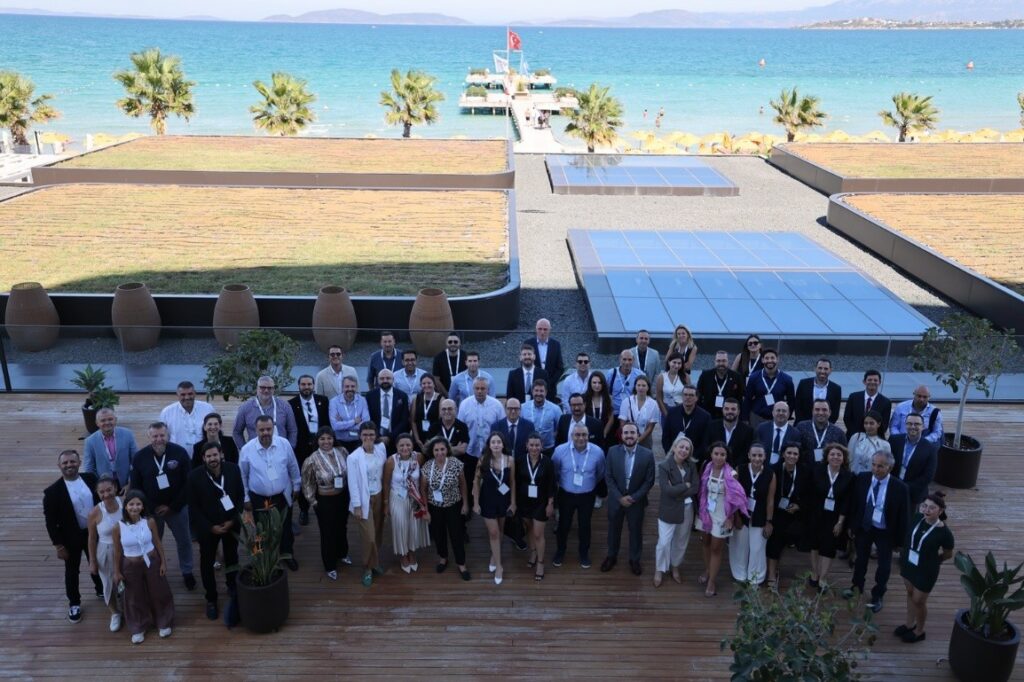
Taking place in the beautiful coastal destination of Cesme, Turkiye, from 13–17 September 2026, the AGM has been designed to bring together freight forwarders, importers, exporters, logistics professionals and industry stakeholders in an environment where meaningful business relationships can flourish.
The programme combines structured one-to-one business meetings with an Industry Day expected to welcome approximately 150+ importers, exporters and logistics professionals, alongside networking activities, knowledge sharing and cultural experiences that encourage genuine interaction beyond the meeting room.
These carefully planned opportunities allow members not only to discuss business, but also to develop the personal connections that underpin successful long-term partnerships. Conversations continue over shared meals, organised activities and informal networking, creating an atmosphere where trust develops naturally and commercial opportunities often emerge organically.
For many participants, the value of attending extends well beyond the event itself. Relationships established during the AGM frequently develop into long-term partnerships, new trade lanes and recurring business opportunities that continue to deliver value long after delegates have returned home.
Want to Join Us at the AGM 2026?
To learn more about attending the 4NEXT Global Annual General Meeting 2026 or becoming part of our growing community, contact us today:
📧 Email Us: info@4nextglobal.com
🌐 AGM Event Info & Registration: https://bit.ly/4d7qAmF